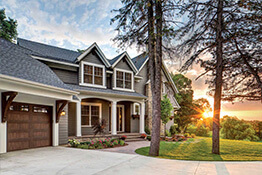

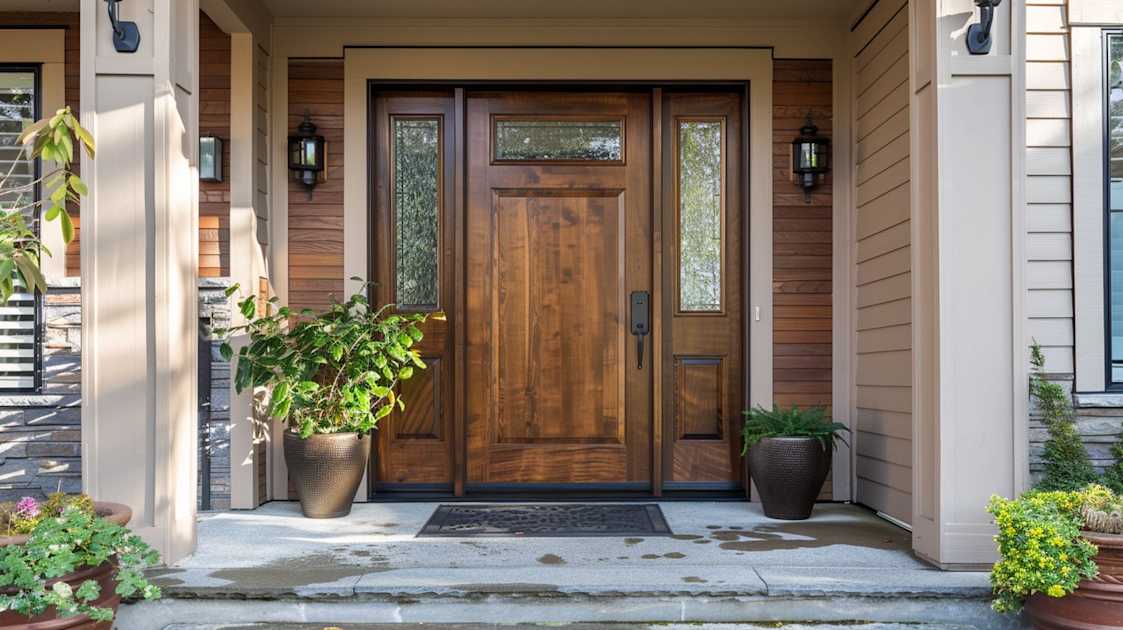


When it comes to enhancing both the security and aesthetic appeal of your home, the front door plays a pivotal role. Front door installation isn't just about replacing an old door; it's about choosing the right style, material, and ensuring a precise fit that stands the test of time. Dive into our comprehensive guide to discover everything you need to know about front door installation.
Choosing the Right Front Door
Selecting the perfect front door starts with understanding the wide array of options available. Here’s how to make an informed choice.
Materials Matter
The front door material significantly influences its durability, appearance, and energy efficiency. Here are the primary materials used:
- Wood: Known for its classic appeal, wood doors bring warmth and can be customized through paint or stain. However, they require regular maintenance to prevent warping or rot.
- Steel: Ideal for security, steel doors are robust and offer exceptional insulation. They are less prone to cracks and warping.
- Fiberglass: Mimicking the look of wood, fiberglass doors are durable, low-maintenance, and energy-efficient, making them a versatile choice for homeowners.
- Glass: Frequently used in conjunction with wood or metal frames, glass doors add elegance and allow natural light into your entryway.
Stylistic Choices
Your front door's style sets the tone for your home. From traditional to modern designs, the options are endless. Consider these popular styles:
- Panel Doors: Offer a classic look with rectangular patterns.
- Dutch Doors: Split horizontally, allowing the top half to open independently.
- French Doors: Typically used when there's a desire to incorporate more glass.
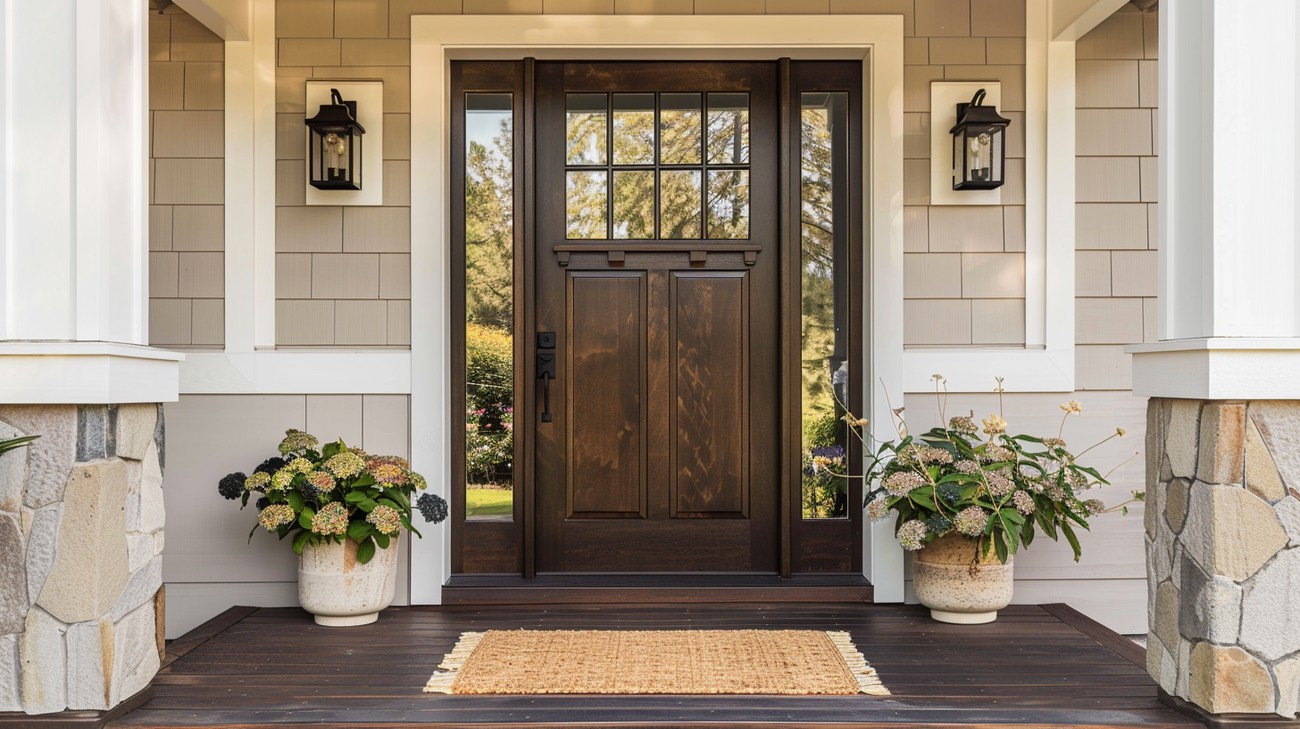
- Craftsman Doors: Feature handcrafted details and craftsman aesthetics.
Preparing for Installation
Proper preparation ensures a smooth front door installation. Here’s what to expect.
Measurements are Key
Before purchasing your new door, ensure you take precise measurements of your existing frame. Remember to measure:
- The width and height of the door.
- The thickness of the door.
- The jamb depth.
Selecting Add-ons and Hardware
Next, consider any additional features or hardware that may complement your door:
- Locksets and Deadbolts: Choose high-security options for enhanced protection.
- Weatherstripping: Helps in creating a tight seal and improving energy efficiency.
- Door Sweeps: Prevent drafts and serve as an additional insulation form.
- Peephole or Door Viewer: For added security, allowing you to see who is at your door before opening it.
Step-by-Step Installation Process
Now that you’ve selected the perfect door and prepared your space, it's time to install.
Removing the Old Door
Start by carefully removing the old door. Here's a straightforward process:
- Unscrew the Hinges: Begin with the bottom hinge, working your way up.
- Remove Trim: Gently pry off the door trim using a crowbar.
- Cut Old Caulk and Paint: Use a utility knife to detach the door fully.
Fitting the New Door
Once the old door is out, fit your new door:
- Place the Door into the Frame: Start by ensuring the new door fits snugly.
- Shim the Doorframe: Use wooden shims to adjust for level and plumb.
- Secure the Door: Screw the hinges onto the frame starting with the top hinge.
- Seal and Insulate: Apply weatherstripping and door sweeps to keep out drafts and moisture.
Final Touches
Securely fasten your door with locks and test its operation:
- Ensure the door swings freely without catching on the frame.
- Test locks for smooth operation.
- Reattach the trim, ensuring it’s snug and properly aligned.
Post-Installation Care
Proper maintenance extends the lifespan of your front door. Here’s how to keep it in optimal condition.
Regular Cleaning
Keep your door looking pristine with regular cleaning:
- Wood Doors: Use a mild detergent mixed with water. Dry thoroughly to prevent water damage.
- Steel and Fiberglass Doors: Clean with non-abrasive cleaners and rinse with a garden hose.
Seasonal Maintenance
Periodic checks can prevent potential damage:
- Check Weatherstripping: Inspect for peeling or gaps and replace as needed.
- Lubricate Hinges and Locks: Ensure smooth operation and prevent rust.
- Repaint or Refinish Wood: Protect from elements and retain the door's vibrant look.
FAQ: Front Door Installation
How do I prepare for a front door installation?
Preparing for a front door installation involves a few important steps. First, ensure you have the correct measurements for your new door to avoid fitting issues. Clear the area around the entrance both outside and inside to provide enough working space for the installation team. Remove any rugs, furniture, or decorations that might obstruct the process. If your new door includes a new frame, consider removing the existing frame beforehand to speed up the installation. Double-check that the new door matches your desired style, material, and color preferences.
How long does it take to install a front door?
The time it takes for a front door installation can vary, but typically it takes between 2 to 6 hours. Factors such as the complexity of the installation, the type of door being installed, and whether modifications to the door frame are necessary can affect the duration. Professional installers can usually provide more accurate time estimates based on your specific project requirements.
Can I install a front door myself, or should I hire a professional?
While installing a front door yourself is possible if you have the necessary skills and tools, hiring a professional is often recommended. Front door installation requires precision to ensure proper sealing, alignment, and security features. Professionals have the expertise to handle unexpected issues like structural damage or improper fit, which can be challenging for a DIY enthusiast. Additionally, many manufacturers offer warranties that require professional installation to remain valid.
What types of materials are available for front doors?
Front doors are available in a variety of materials, each offering different benefits. Common materials include wood, steel, fiberglass, and composite. Wood doors offer natural beauty and customization options, but they require regular maintenance. Steel doors are strong and secure, though they can be prone to dents. Fiberglass doors provide excellent insulation and are resistant to wear, making them a popular choice for many homeowners. Composite doors combine various materials to enhance durability and performance.
How much does a front door installation typically cost?
The cost of a front door installation can vary greatly depending on several factors including the material, size, style of the door, and labor charges. On average, homeowners spend anywhere from $500 to $2,500 for a new front door installation. Custom doors or installations requiring significant structural modifications can drive up the cost even more. It's advisable to get multiple quotes from reputable contractors to ensure competitive pricing.
Are there any security features I should consider when installing a front door?
Security is a significant consideration in front door installation. Opt for doors that include high-quality deadbolt locks, reinforced strike plates, and multi-point locking systems for added security. Additionally, using solid-core doors or those with reinforced materials can enhance the door's sturdiness against forced entry. Consider adding a peephole or a smart doorbell with a camera to see who is at the door without opening it.
How can I enhance the energy efficiency of my front door?
Enhancing the energy efficiency of your front door involves selecting materials with good insulation properties and ensuring proper installation. Fiberglass and steel doors are often chosen for their insulating capabilities. Ensure weatherstripping is applied around the door edges to minimize drafts. Installing an energy-efficient door model with an ENERGY STAR rating can also decrease your home's energy consumption and reduce utility bills.
What should I do with my old front door after installation?
After your new front door installation, you have several options for disposing of or repurposing your old door. If the door is in good condition, consider donating it to a local charity or resale organization. Repurposing the door for home projects, such as creating a table or garden bench, is another creative approach. Many installation experts offer disposal services or can recycle the door materials, so inquire about these options during the installation process.
Is it necessary to replace the door frame during a front door installation?
Whether you need to replace the door frame during a front door installation depends on the condition of the existing frame. If the frame is warped, damaged, or does not align with the new door, replacement is necessary to ensure proper function and aesthetics. Even if the frame appears intact, upgrading to a new frame can improve security and insulation. A professional can assess the situation and advise the best course of action based on your specific needs.
Can I install a custom front door instead of a standard one?
Absolutely, custom front door installation is a viable option if you have specific design preferences, size requirements, or want features that standard doors don't offer. Custom doors can be tailored to match your home's architectural style or particular functional needs. However, custom doors typically require a longer lead time to manufacture and may increase the overall cost of the installation. Consulting with a designer or contractor can help you navigate the customization process efficiently.
Cost Breakdown
Typical Price Ranges
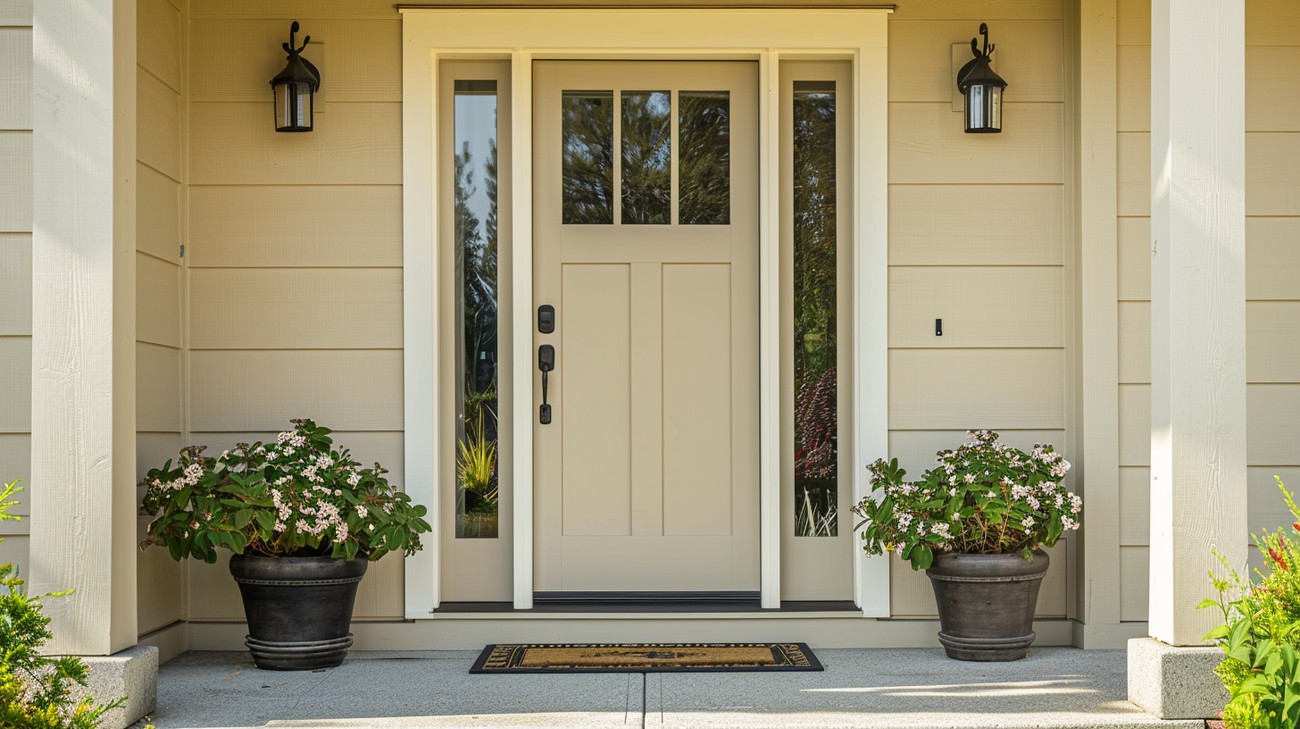
Front door installation costs can vary significantly, typically ranging from $500 to $1,500. This range often depends on materials, door types, and labor. For a basic steel door, you might spend around $500 on the lower end, including installation. Meanwhile, a high-quality wood or fiberglass door could push the cost upwards of $1,500 or even more if you opt for custom designs.
Factors That Affect Cost
Several factors influence the cost of front door installation:
Material: The door material dramatically impacts cost. Steel doors are generally the most affordable. Fiberglass doors offer a middle ground in terms of price and performance, offering better insulation. Wooden doors, especially those made from hardwoods like mahogany or oak, tend to be more expensive due to their classic look and durability.
Design and Features: Plain doors will always be cheaper than those with intricate designs, glass inserts, or custom hardware. Added security features like multi-point locking systems can further increase costs.
Labor: Installation labor costs might add $200 to $700 to your project. This can vary based on your location and the complexity of the installation process.
Pre-Hung vs. Slab Doors: Pre-hung doors come with the frame included, which can simplify installation, while slab doors are just the door itself and might require more work to install.
Cost Comparison: Budget vs. Premium Options
Choosing between budget and premium options will largely depend on what you prioritize—cost, aesthetics, or performance.
Budget Options: For a cost-effective solution, consider steel or basic fiberglass doors, typically ranging from $500 to $900. These doors offer robust security features but may lack high-end finishes or custom options.
Premium Options: Premium doors, like ornate hardwood or high-performance insulated doors, can range from $1,500 to $4,000. These options often include customizable elements, superior insulation, and enhanced security features.
Hidden Costs to Consider
Beyond the apparent costs, several hidden expenses could catch you off guard:
Frame and Hardware: If your doorframe is damaged or you want an upgraded look, replacing the frame can add $75 to $200 to your bill. Selecting premium hardware might also inflate costs by another $50 to $200.
Permits and Regulations: Some areas may require permits for exterior renovations, impacting your total cost. Check local regulations to avoid unexpected expenses.
Old Door Removal: If your installer charges for removing and disposing of the old door, expect to pay an additional $50 to $100.
Ways to Save Money
Saving money on your front door installation doesn't have to mean compromising on quality:
- Shop Sales and Discounts: Keep an eye out for seasonal sales or clearances that might offer significant savings on both doors and installation services.
- DIY Installation: If you're handy and have the tools, consider installing the door yourself. This could save you hundreds in labor costs, though it's crucial to ensure you have the right skills to avoid costly errors.
- Buy in Bulk: If you need multiple doors replaced, buying in bulk might fetch you a discount from suppliers or contractors.
- Rebates and Energy Credits: Some energy-efficient doors qualify for rebates or credits. Investigating these could reduce your overall spend and increase long-term savings on energy bills.
Final Thoughts
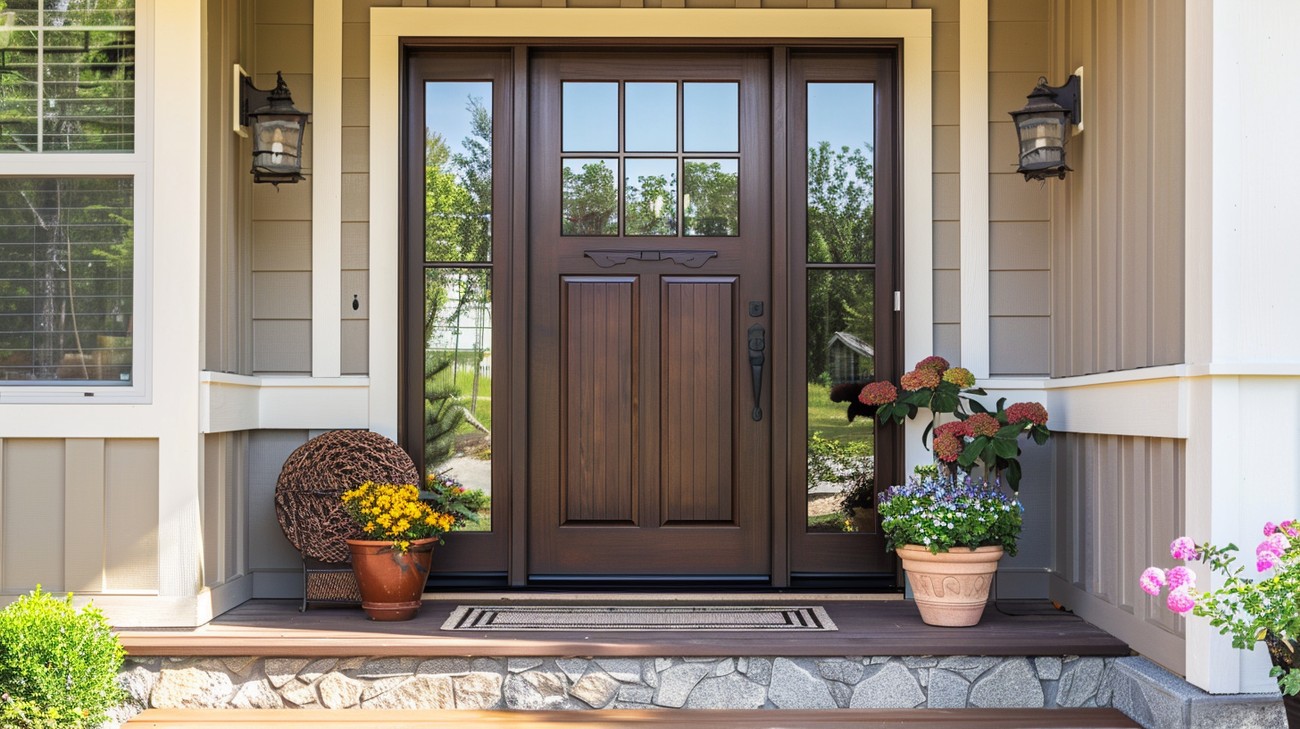
When it comes to front door installation, choosing the right door and ensuring it’s properly installed can significantly enhance your home's curb appeal and energy efficiency. Whether you’re looking for added security or simply want to refresh the look of your entryway, investing in a quality front door is essential. We believe that the experience and craftsmanship you get during the installation process make all the difference in achieving the perfect entrance to your home.
If you're considering upgrading your front door, we invite you to reach out to us at US Quality Construction. Serving homeowners in Kansas City, MO, our team is here to guide you through the selection process and provide top-notch installation services. Schedule a consultation with us today, and let’s make your home’s entrance as inviting as it deserves to be!
Tags: home improvement, DIY, entrance,